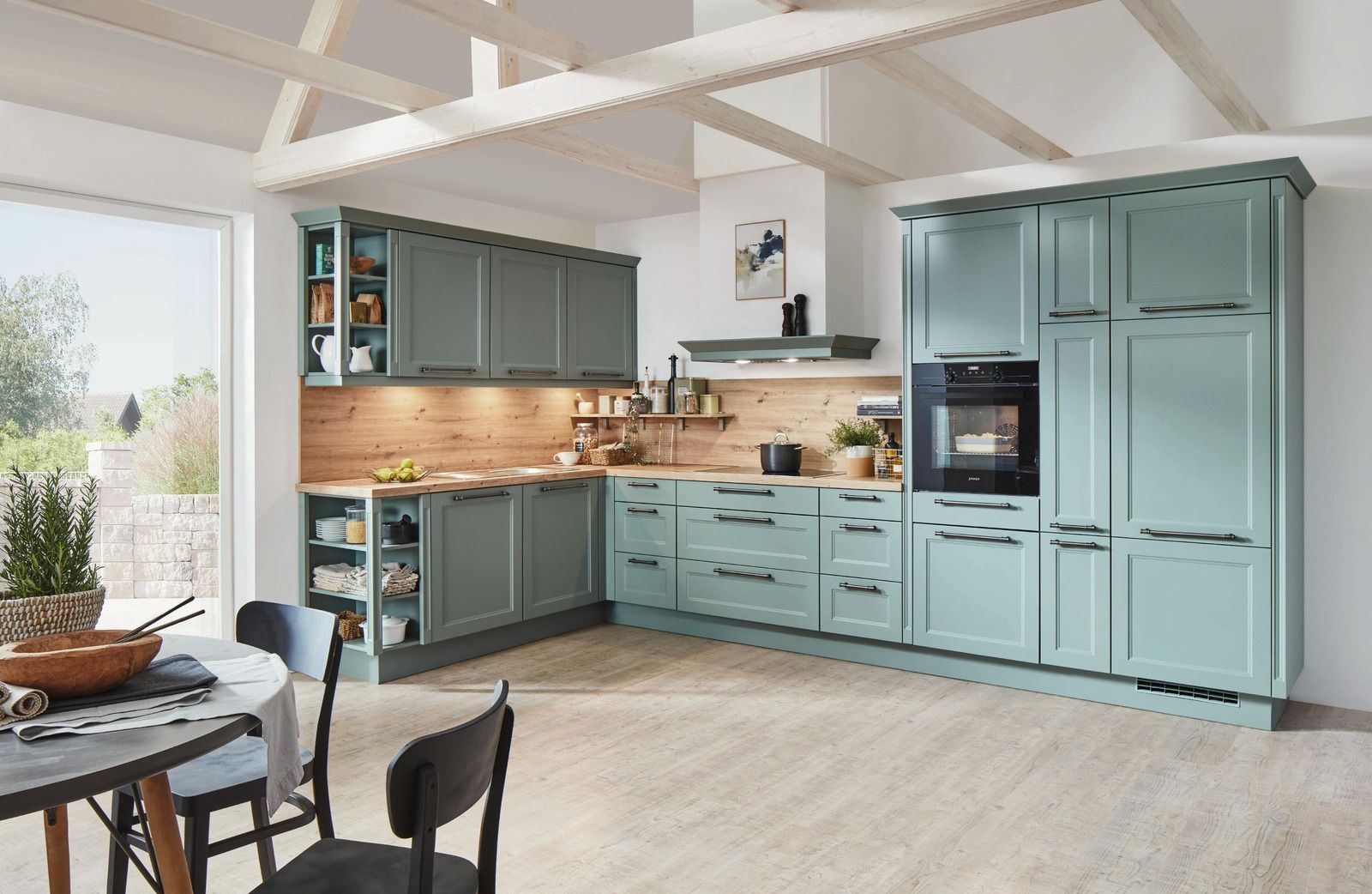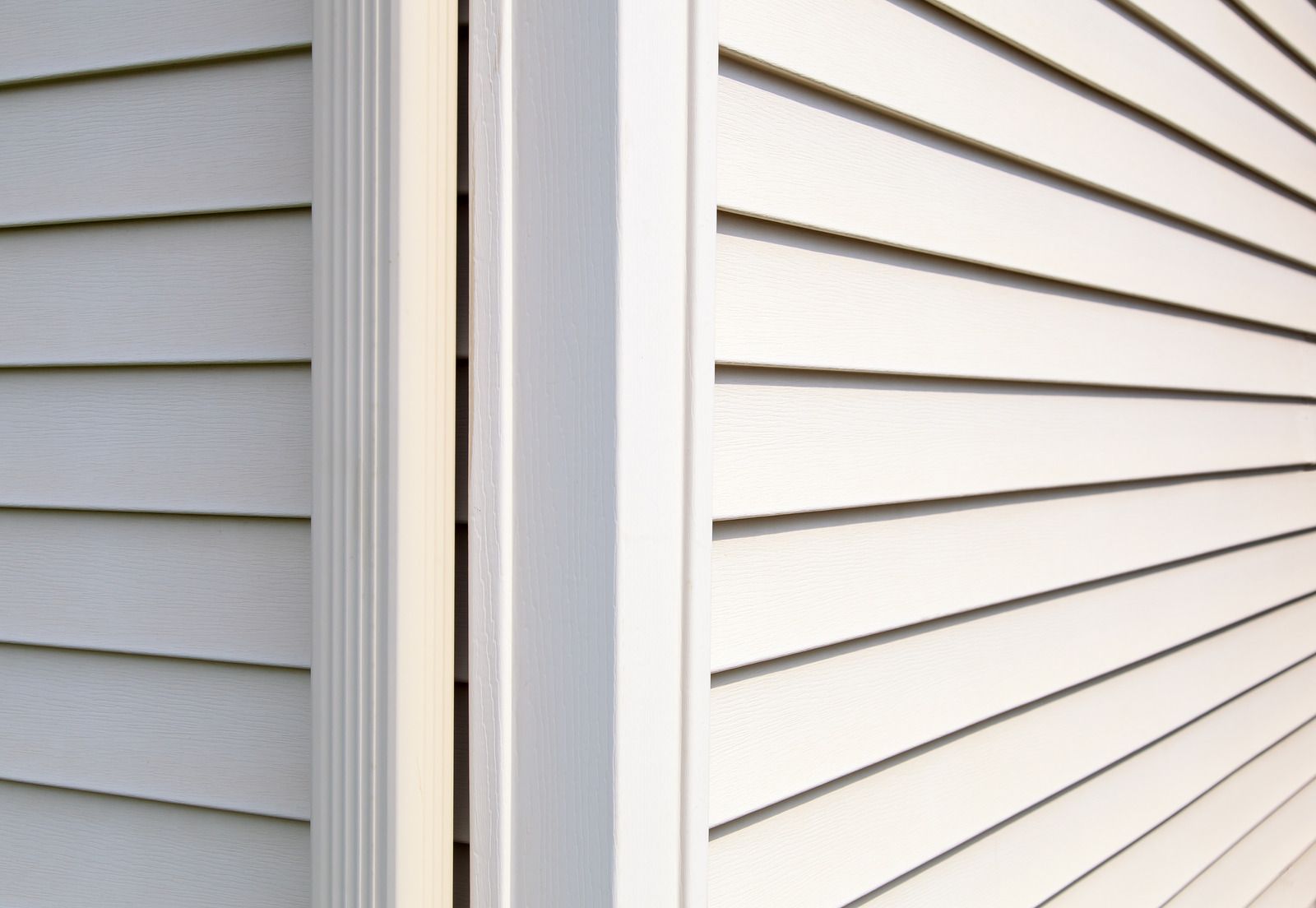
Flat, Eggshell, Satin, or Semi Gloss? Choosing the Right Interior Paint Sheen Room by Room
October 6, 2026
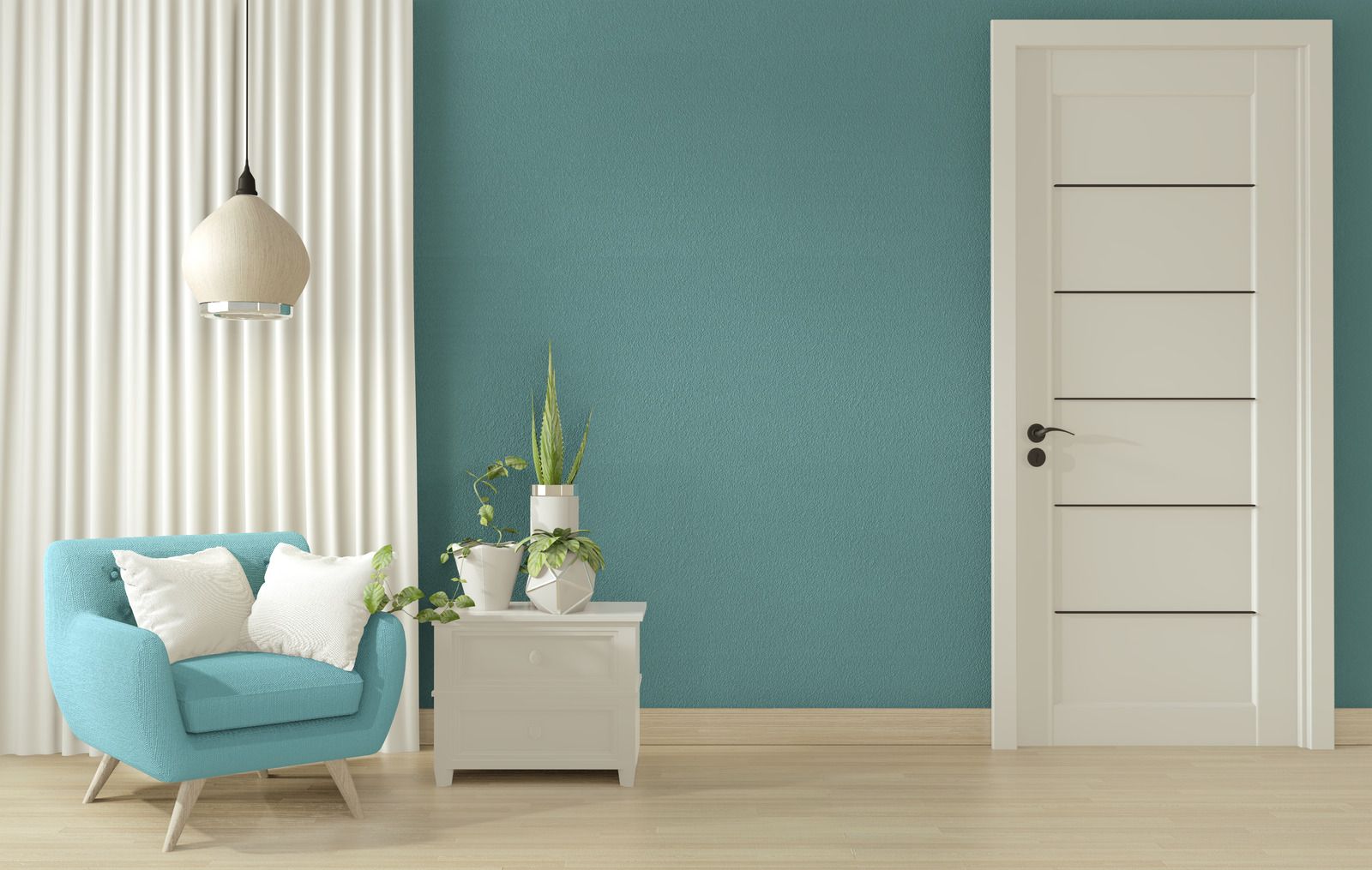
QUICK ANSWER: For most Houston homes, use flat or matte on ceilings and low traffic bedrooms, eggshell in living rooms and dining rooms, satin in hallways, kitchens, and family spaces that get scuffed, and semi gloss on trim, doors, and bathroom walls. The higher the sheen, the easier the surface is to wipe clean and the more it resists moisture, but the more it shows every bump, roller mark, and wall flaw. Gulf Coast humidity pushes the choice toward satin or semi gloss anywhere steam or grease collects. Lower sheens hide flaws and look richer in color, so they belong where walls are rarely touched. Matching sheen to the job of each room is what makes a paint job look good and last.
The painter had just finished the second coat in a Spring family room when the homeowner walked in, flipped on the lamp by the sofa, and frowned. The color was exactly right. The wall, though, looked like it had been rolled by someone in a hurry. Every patch, every seam, every little ripple in the drywall was lit up like a stage. Nothing was wrong with the application. The paint was simply a satin sheen on a wall that really wanted to be flat. We have seen that moment more times than we can count in 25 years of painting, and it is why we tell people that picking a sheen deserves as much attention as picking a color.
Sheen is the amount of light a dried coat of paint bounces back at your eyes. Flat paint soaks light up. Semi gloss throws it back. Everything else sits somewhere between. That one trait decides how the color looks at four in the afternoon, how well a wall hides flaws, how easily a handprint wipes off, and how the paint behaves when a shower runs for twenty minutes in August. Here in Houston, Spring, The Woodlands, Katy, and the rest of the Gulf Coast, you can add the weather to that list. Our humidity, heat, and bright sun ask more of
interior paint than a mild climate does.
What Sheen Actually Does to Your Walls
Paint is pigment, binder, and additives. The more binder and the smoother the dried surface, the more light reflects and the shinier the finish looks. The finish also changes how tough and washable the paint is. Think of it as a trade. Low sheens give you forgiveness and depth of color. High sheens give you durability and cleaning power.
Flat And Matte
These reflect almost no light. Manufacturers such as Benjamin Moore and Sherwin Williams point out that flat finishes hide surface imperfections well and give the richest looking color. The downside is that stains are harder to remove, and constant rubbing can burnish the paint, leaving a shiny patch where a hand or a chair back has been.
Eggshell
A soft, velvety glow, only a step up from matte. Behr describes eggshell enamel as a good fit for moderate traffic spaces like living rooms. It still hides most flaws, but it handles a damp cloth far better than flat.
Satin
A soft pearl look that cleans easily. Sherwin Williams groups satin with eggshell as a balance of durability and elegance, and lists it for hallways, family rooms, and children's bedrooms where nicks and scuffs are part of life.
Semi Gloss
Sleek and bright, with the toughest wipe down performance of the common wall finishes. It is the usual choice for trim, doors, cabinets, and rooms with steady moisture.
High Gloss
Glass like and very hard wearing, used mostly for accents, doors, and furniture style details. It shows every flaw underneath, so the surface has to be prepared with great care.
Because each step up the ladder trades hiding power for toughness, there is no single best sheen. There is only the best sheen for a particular wall in a particular room, under a particular kind of light.
Why Gulf Coast Homes Need to Think About Sheen Differently
A house in Houston lives with air conditioning running most of the year, steamy showers, wet towels, cooking, and humid air sneaking in every time a door opens. The EPA advises keeping indoor relative humidity below 60 percent, ideally between 30 and 50 percent, because mold and mildew find damp surfaces so inviting above that range. Plenty of homes in Cypress, Kingwood, and Conroe drift above it in summer, especially in bathrooms, laundry rooms, and closets that get little airflow.
Paint that sits in those conditions needs a tight, smooth film that sheds moisture and can be wiped without damage. A flat finish has a more porous, textured surface. It can hold onto steam, soap film, and airborne grime, and it can be hard to clean without leaving marks. A satin or semi gloss film is denser and slicker. Mildew has a harder time gripping it, and a damp cloth takes spots away in seconds.
Heat And Sun
Intense Texas sun streaming through west facing windows in Magnolia or Tomball lights a wall at a raking angle that shows every roller stipple and patch. That harsh side light is exactly where a glossier sheen works against you on large walls.
Clay Soil Movement
Our expansive clay soil swells in wet seasons and shrinks in dry ones, and houses shift with it. Hairline cracks, nail pops, and uneven drywall seams are normal across the region. Walls with that history look better in lower sheens, which scatter light and keep the eye from landing on small waves in the surface.
Constant Air Conditioning
Cold air against warm, damp walls can leave condensation on outside corners and near vents. Rooms that do this need a finish that handles occasional moisture without staining.
So the Houston approach is a split. Use low sheens to hide flaws where walls stay dry and untouched, and move up in sheen wherever moisture, grease, or hands are part of daily life.
Ceilings, Bedrooms, and Quiet Rooms
Start overhead. Ceilings get no hands on them, and light hits them from below and at an angle, so any shine would make every seam and texture pattern jump out. Flat is the standard, and ultra flat ceiling paint is made for exactly this. Flat on the ceiling also keeps the room feeling taller and calmer, since the eye is not caught by reflections.
Bedrooms are the next easy call. Behr often points to matte as the best sheen for bedroom walls, and Benjamin Moore lists matte and flat for low traffic spaces. In a bedroom, walls rarely get touched beyond a headboard or a dresser, and soft light from lamps looks lovely on a velvety surface. Color depth matters here too. A deep blue gray or a warm greige looks richer in matte than in a shinier sheen.
Adult Bedrooms And Formal Rooms
Flat or matte finishes work beautifully and hide imperfections, making them especially forgiving on older or lightly textured walls.
Guest Rooms And Home Offices
Matte remains suitable, but washable matte or low sheen eggshell helps prevent regular use and scuffs from becoming permanent.
Kids Rooms
Avoid flat finishes. Crayons, sticky fingers, and furniture bumps are inevitable, making eggshell or satin finishes easier to clean and maintain.
One more point on bedrooms in our climate. Closets and rooms on the shady side of the house can hold humidity longer. If a bedroom has ever smelled musty or shown spotting in a corner, we usually move up to eggshell and address airflow along with the paint.
TIP: Look at your wall at night with a lamp held close to the surface, then again in morning sun. If you can see ripples, patches, or old nail pops, step down one sheen level. A flatter finish will quietly hide what a shinier one would highlight.
Living Rooms, Dining Rooms, and Hallways
These are the spaces guests see, where everyone passes through, and where family life leaves its mark. They also tend to have the best light and the most furniture, so you want a finish that looks refined without being fragile.
Living Rooms
Eggshell suits most living rooms because it wipes clean while retaining a soft appearance. For older, uneven drywall, washable matte offers easier cleaning without emphasizing surface imperfections.
Dining Rooms
Eggshell handles occasional splashes and chair scuffs on dining room walls. For wainscoting or chair rails, semi gloss provides a tougher, more washable surface where chairs commonly make contact.
Hallways And Stairwells
Satin works well in hallways and stairwells because frequent contact creates scuffs. Its washable surface handles hands, shoulders, shoes, bags, and laundry baskets without developing obvious polished tracks.
Open Floor Plans
Using one sheen across connected walls usually creates a more cohesive appearance. Choose eggshell or soft satin throughout the open space, reserving sheen changes for trim and ceilings.
Kitchens, Bathrooms, and Laundry Rooms
Now the hard working rooms. Here the climate and the daily routine both press on the paint, and a flat finish is rarely the right answer.
Kitchens
Kitchens face steam, splatters, and grease, making satin practical for large wall areas. Semi gloss works well on trim, casings, and surfaces near ranges requiring frequent cleaning.
Bathrooms
Satin or semi gloss handles bathroom moisture and cleaning well. Satin suits ventilated bathrooms, while semi gloss provides greater durability in small, steamy, windowless spaces.
Laundry Rooms And Mudrooms
Laundry rooms and mudrooms experience moisture, warmth, scuffs, and frequent contact. Satin or semi gloss provides a washable, durable finish that handles baskets, shoes, and everyday wear.
Garage Entries And Pantries
Garage entries and pantries encounter scuffs, cardboard boxes, and frequent handling. Satin provides a durable finish that withstands everyday contact while remaining simple to wipe clean.
WARNING: Do not use flat paint in a bathroom or on kitchen walls near the stove and sink. A flat finish soaks up steam and grease, stains easily, and can start to spot with mildew in Gulf Coast humidity long before the color fades.
Even the best sheen cannot make up for a bathroom with no ventilation. Run the exhaust fan during every shower and for a while afterward, and keep the room door open to let steam escape into the conditioned air. Paint resists moisture, but it cannot dry out a room that never gets a chance to dry.
Trim, Doors, Baseboards, and Cabinets
This is where glossier finishes belong. Trim and doors take bumps, scuffs, vacuum cleaner strikes, and sticky hands. They also frame the walls, so a slight shine gives them definition against a softer wall finish.
Baseboards And Crown Molding
Semi gloss remains classic for baseboards and crown molding because it cleans easily and highlights profiles. Satin offers a softer look, but higher sheen requires smooth preparation to avoid emphasizing imperfections.
Doors And Casings
Doors and casings receive constant hand contact, making durability important. Semi gloss or medium lustre finishes withstand years of use while remaining easy to clean and maintain.
Cabinets
Cabinets endure daily touching, bumps, and splashes. Durable enamel in satin or semi gloss provides protection, while careful sanding and priming ensure the finish looks smooth and furniture like.
Windows And Sills
Window sills experience sunlight, condensation, and occasional watering. Semi gloss handles moisture effectively and wipes clean easily, making it a practical, durable choice for frequently exposed surfaces.
If you like a monochromatic look, you can paint walls and trim in the same color and let sheen create the difference. Matte or eggshell walls with a semi gloss trim in the identical shade gives a layered, designer feel with no color contrast at all.
How Light, Color, and Texture Change the Decision
Two walls with the same paint can look different depending on what is around them. Here is how we think through the extra variables.
Natural Light
Rooms with large windows receive stronger glare, so lower sheens reduce reflection and preserve color. Rooms with limited natural light can handle more sheen because reflected light brightens the space.
Dark Colors
Dark colors reveal imperfections, especially with higher sheen. Matte finishes make deep shades look richer and more velvety, while careful surface preparation remains essential for bold colors.
Light Colors
Light colors and soft neutrals tolerate higher sheens more easily, but room function still matters. Satin keeps white kitchens fresh, while flat finishes create calmer bedroom walls.
Wall Texture
Orange peel and knockdown textures are common in Houston area homes. Flat and matte finishes minimize shadows between texture peaks, while glossier sheens emphasize every ridge.
Wall Condition
Older homes with settling cracks and patched areas benefit from lower sheens that hide imperfections. Smooth drywall in newer construction can support higher sheen finishes more successfully.
Common Sheen Mistakes We Fix
Over the years we have repainted a lot of rooms because of sheen, not color. A few patterns show up again and again.
Using One Sheen Everywhere
Using eggshell on walls, trim, and ceilings may seem simple, but different sheens serve different purposes. Durable trim finishes and flat ceilings create better performance and visual separation.
Going Glossy To Hide Wear
Higher sheen does not automatically make wall paint better. Glossy finishes can emphasize imperfections. Choose the lowest sheen that provides enough durability and cleaning ability for the room.
Mixing Sheens On The Same Wall
Using different sheens for touch ups can create visible patches, even when colors match. Keep the original paint information so future repairs match both color and sheen.
Ignoring The Primer
Poorly primed repairs can create dull or shiny spots beneath glossy finishes because paint absorbs unevenly. Spot priming repaired areas before finishing helps create a consistent surface appearance.
Skipping Washability
Matte and flat paints vary significantly in cleanability. Premium washable matte products can perform very differently from inexpensive flats, making paint quality important alongside the chosen sheen.
Frequently Asked Questions
What is the best paint sheen for most interior walls?
Eggshell is the most common choice for living areas because it balances a soft look with good washability. Matte suits bedrooms, while satin suits hallways, kids rooms, and kitchens.
Can I use eggshell in a bathroom?
Yes, in a well ventilated powder room with little steam. For a full bath with daily showers, satin or semi gloss resists moisture better and scrubs clean. Pair either with a working exhaust fan.
Should trim always be glossier than the walls?
Usually, yes. Semi gloss or satin trim gives a durable surface where bumps happen and contrasts nicely with softer walls. Satin is more forgiving if the trim has dents or rough spots.
Does sheen change how a paint color looks?
Yes. Color looks deeper and richer in flat or matte and lighter and brighter as sheen rises. Sample the exact sheen in the actual room, viewed at different times of day.
Will a glossier paint hide wall flaws better or worse?
Worse. Higher sheens reflect light unevenly across dents, patches, and texture, making flaws easier to see. In Houston homes with settling cracks, keep large walls low in sheen and save gloss for trim.
Do I need to repaint the whole room if I change sheen?
Not always, but a sheen change looks best across a whole surface. A patch in a different sheen shows as a shiny or dull spot. For touch ups, match both color and sheen.
Matching Every Room to the Right Sheen
A good sheen choice is quiet. Nobody walks into a room and compliments the eggshell, but they notice when a hallway shows every fingerprint or a bathroom wall starts spotting after a humid summer. Think about who uses each room, how much steam and grease it sees, what shape the walls are in, and how the light falls across them. Then match the sheen to those facts instead of to a habit or a sample chip.
Carnival Custom Painting
in Houston, TX, has made these calls room by room for 25
years. Low sheens hide flaws on dry, quiet walls, while satin and semi gloss protect the spaces where moisture and hands do their work. Careful prep underneath is what lets any finish look its best. When each surface gets the sheen it was meant for, the whole home looks polished and holds up through long, humid summers.